Unlocking Player Loyalty Through Targeted Incentives in Progressive Blackjack Networks
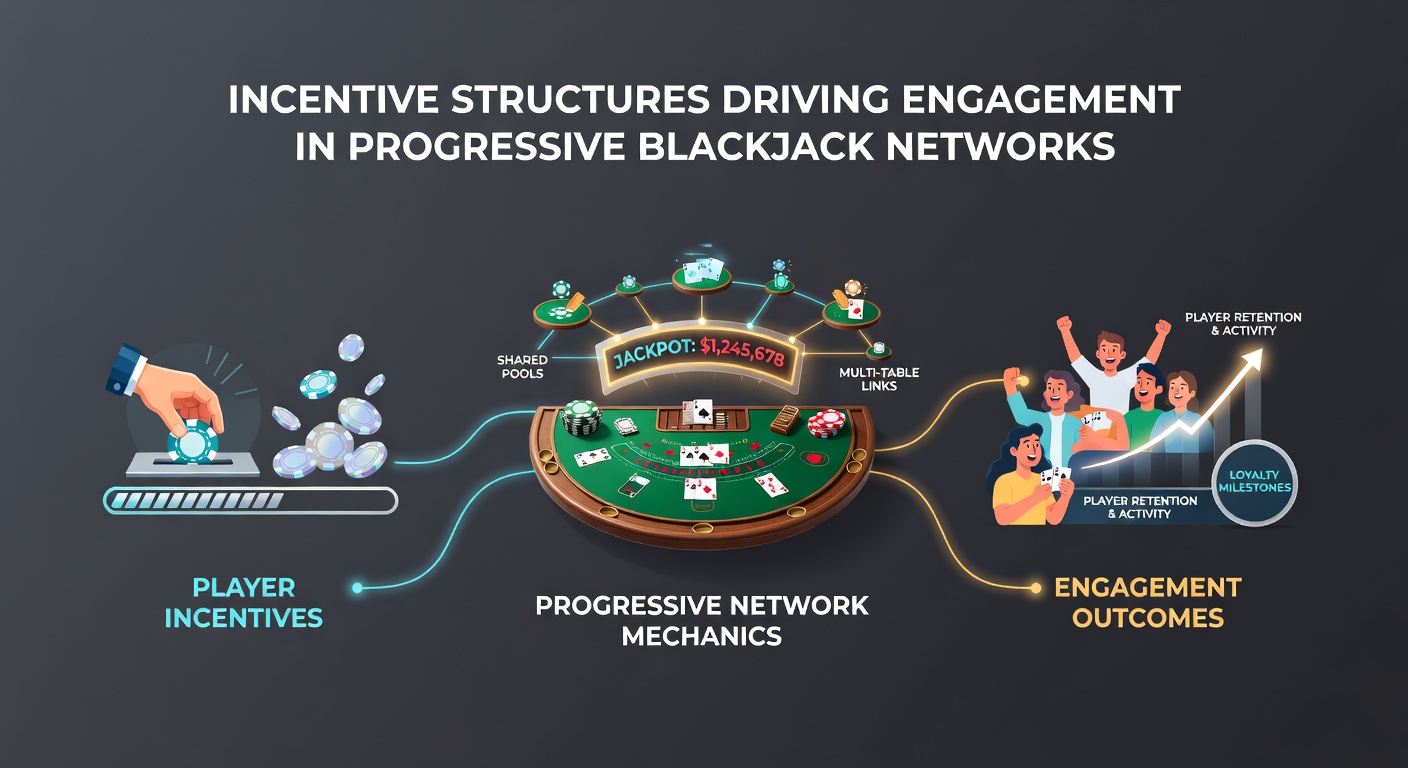
Progressive blackjack networks connect multiple tables or virtual environments so that a portion of each wager contributes to a shared jackpot pool, and operators layer incentive structures on top of this foundation to maintain consistent participation. These structures range from tiered loyalty programs that award points for every hand played to bonus multipliers tied directly to jackpot contributions, while referral credits and time-limited challenges encourage both new signups and repeat sessions.
Core Components of Incentive Design
Data from industry reports shows that networks using combined jackpot growth with personalized reward tracks see higher average session lengths, because players receive immediate feedback through point accumulation while the progressive element builds anticipation across the entire player base. Operators often segment incentives by activity level, granting higher-tier users access to exclusive tables where the progressive contribution rate increases slightly, and this segmentation creates clear progression paths that researchers have tracked through longitudinal player data.
Studies conducted by academic teams at institutions such as the University of Nevada, Reno have examined how variable reward schedules affect retention, and their findings indicate that unpredictable bonus triggers, such as random jackpot boosts during low-traffic periods, produce stronger engagement metrics than fixed schedules. Networks therefore calibrate these triggers using algorithms that monitor aggregate contribution rates without disclosing individual player patterns, preserving fairness while sustaining interest.
Geographic Variations in Implementation
Regulatory frameworks in different regions shape which incentives networks may offer. In jurisdictions overseen by the Nevada Gaming Control Board, operators must report all progressive liability separately from standard table hold percentages, which leads to transparent tracking of how much of the pool returns through incentive redemptions. Australian authorities, through bodies like the Australian Communications and Media Authority, require clear disclosure of contribution percentages so players understand the portion of each bet that funds both the progressive prize and any accompanying loyalty rewards.
European markets governed by national licensing regimes, such as those in Malta and Sweden, impose caps on promotional bonus values relative to the progressive pool size, and these caps prevent networks from over-allocating incentives that could destabilize jackpot growth trajectories. Observers note that networks operating across multiple regulatory zones often maintain parallel incentive ledgers to remain compliant while delivering uniform player experiences.

Measurement of Engagement Outcomes
Figures released by the North American Gaming Regulators Association in early 2025 revealed that networks incorporating milestone-based incentives, such as completing a set number of hands to unlock a jackpot entry ticket, recorded a 17 percent increase in daily active users compared with networks relying solely on jackpot size. The same dataset indicated that referral programs yielding both the referrer and the referred player a percentage of future contributions generated the highest conversion rates from trial play to paid participation.
One study released through the Canadian Institute for Gaming Research tracked cohorts across six months and found that players who received weekly personalized challenges tied to progressive contributions maintained accounts 2.3 times longer than those without such prompts. Networks now deploy these challenges through in-app notifications that adjust difficulty based on recent activity, ensuring the incentives remain attainable yet meaningful.
Emerging Patterns in 2026
As of May 2026 several networks have begun testing blockchain-verified contribution ledgers that allow players to view real-time allocations to both jackpots and personal reward accounts. Early adoption data suggests these transparent systems reduce disputes over prize calculations while increasing trust metrics collected through post-session surveys. Operators report that integrating such ledgers with existing loyalty platforms requires minimal infrastructure changes because the core progressive calculation engine already records every wager at the network level.
Additional experiments include cross-game incentives that award blackjack-specific points for activity in unrelated titles, thereby drawing players from broader ecosystems into progressive tables during promotional windows. Researchers continue to monitor whether these cross-promotions dilute focus on the primary game or simply expand the overall participant pool without harming jackpot accumulation rates.
Conclusion
Incentive structures in progressive blackjack networks function through careful calibration of immediate rewards, long-term progression, and regulatory compliance, and available evidence demonstrates measurable effects on session duration and account longevity. Continued observation of these mechanisms across jurisdictions will clarify which combinations sustain engagement most effectively as networks expand and technology evolves.