Data Analytics Shaping Customized Reward Pathways in Multi-Variant Digital Card Ecosystems

Digital card platforms have expanded rapidly since the early 2020s, and data analytics now drives the creation of personalized reward structures that respond to individual player behavior across numerous game variants. Platforms track metrics such as session duration, variant selection frequency, and bet sizing patterns, then apply algorithms to adjust loyalty incentives in real time. Researchers at institutions including the University of Nevada, Reno have documented how these systems integrate player data from poker, baccarat, and other table games to generate tiered reward offers that differ from one user to the next.
By June 2026 several major operators reported full deployment of machine learning models that recalibrate bonus structures every twenty-four hours based on aggregated user datasets. These models draw from sources that include transaction logs, clickstream data, and time-of-day preferences, allowing operators to deliver targeted credits or free entries that align with demonstrated play habits rather than generic promotions. One study released by the Nevada Gaming Control Board in spring 2026 showed that platforms using such dynamic systems recorded a measurable uptick in retention rates compared with static reward programs.
Core Components of Analytics-Driven Reward Systems
Multi-variant ecosystems rely on several interconnected data layers. First, raw behavioral inputs are collected through application programming interfaces that log every game selection and outcome. Second, segmentation engines classify users into behavioral clusters according to risk tolerance and preferred game mechanics. Third, predictive models forecast future activity and calculate the optimal reward value needed to sustain engagement without eroding house margins. Operators have observed that players who receive variant-specific incentives tend to explore additional game types within the same session, increasing overall platform stickiness.
What's interesting is how these layers interact across geographic regions. Canadian regulatory filings from the Alcohol and Gaming Commission of Ontario indicate that cross-border data sharing agreements now permit operators to refine reward algorithms using anonymized datasets from multiple jurisdictions. This practice has produced reward pathways that automatically adjust when a player switches from low-stakes draw poker to higher-volatility stud variants, for example.
Implementation Across Game Variants
Platforms offering five or more card variants must manage distinct volatility profiles and payout structures simultaneously. Analytics teams therefore deploy variant-specific weighting factors within their models. A player who consistently chooses pot-limit Omaha receives different bonus multipliers than one who favors Texas Hold'em cash games, because the underlying data reveals divergent session lengths and average bet sizes. Industry reports from the European Gaming and Betting Association confirm that such differentiated pathways reduce player churn by matching incentives to demonstrated preferences rather than applying uniform bonuses.
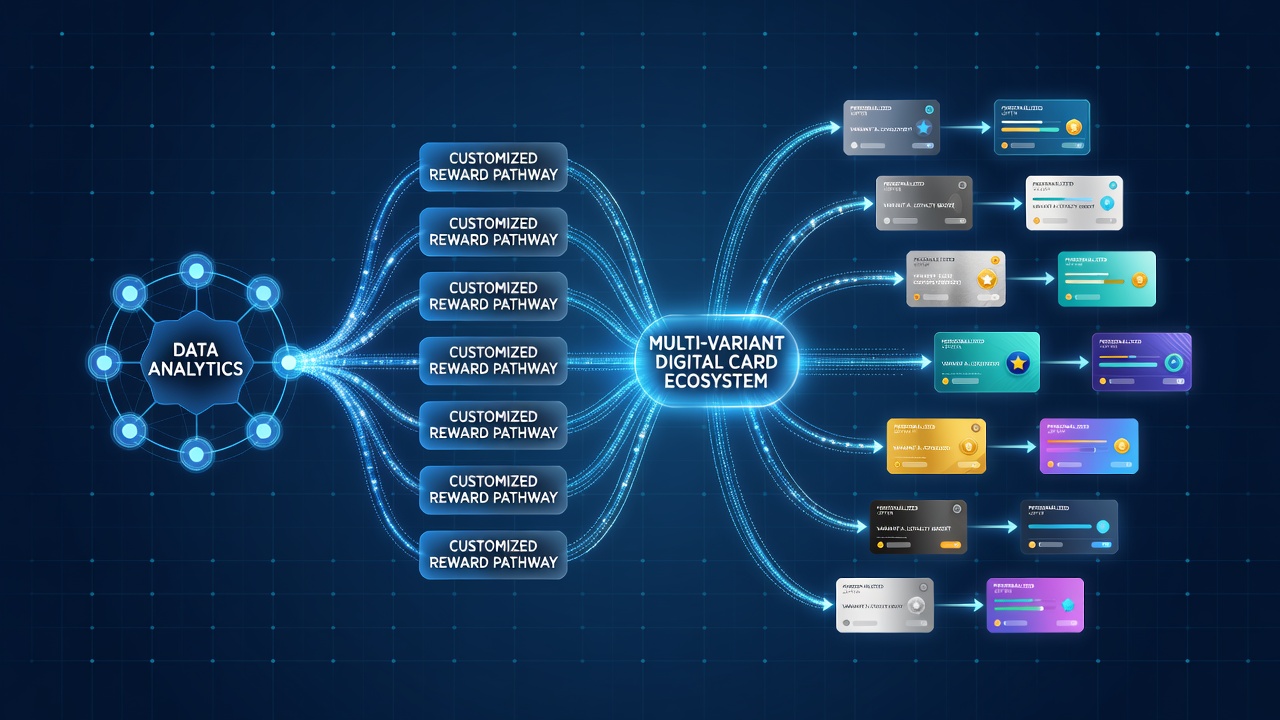
Case examples illustrate the approach. One North American operator introduced a reward ladder that escalates free tournament entries only after a user completes a prescribed number of hands in a newly released variant. Data tracked through June 2026 showed accelerated adoption of the new variant once the ladder was personalized using prior game history. Another platform in Australia applied similar logic to its baccarat and pai gow offerings, linking reward tiers to the frequency with which players alternated between those two games during single visits.
Regulatory and Technical Considerations
Regulators in multiple jurisdictions now require transparency around how player data informs reward calculations. The Alcohol and Gaming Commission of Ontario published updated technical standards in late 2025 that mandate audit trails for every algorithmic adjustment. These standards ensure that reward modifications remain within approved parameters and that players receive clear disclosure of the data points influencing their offers. Compliance teams rely on the same analytics infrastructure to generate the required reports, creating a feedback loop between regulatory oversight and system optimization.
Technical infrastructure has also evolved. Cloud-based data lakes now store petabytes of anonymized gameplay records, while edge computing nodes process real-time adjustments during active sessions. Security protocols encrypt personally identifiable information before it enters the modeling pipeline, satisfying data protection requirements across the European Union and North America. Observers note that these safeguards have become standard practice among operators seeking to maintain player trust while scaling personalized reward programs.
Conclusion
Data analytics continues to reshape how digital card platforms construct and deliver customized rewards across multiple variants. The combination of behavioral segmentation, predictive modeling, and regulatory compliance frameworks has produced systems that respond dynamically to player activity while meeting oversight requirements. As operators refine these pathways through ongoing data collection, the structure of player incentives grows increasingly tailored to individual patterns observed within each game ecosystem.