Cross-Border Differences in Digital Table Game Returns: A Regulatory Perspective
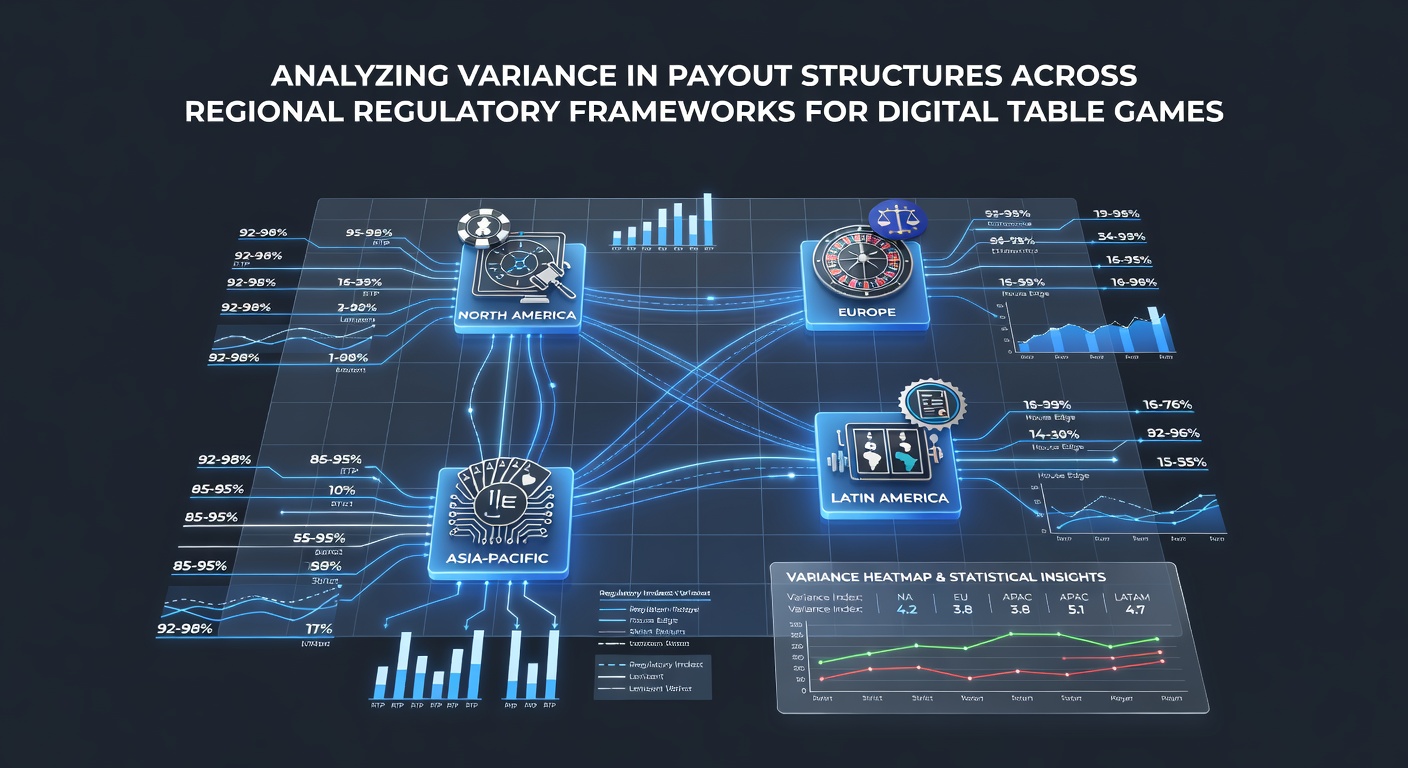
Digital table games operate under layers of oversight that shift markedly from one jurisdiction to the next, and those differences translate directly into measurable variance in payout percentages and volatility patterns. Operators must adjust game mathematics, bonus structures, and return-to-player figures to satisfy local statutes, which creates distinct return profiles even when the underlying rules appear similar on the surface.
Core Regulatory Mechanisms Driving Payout Variance
Most frameworks require minimum return-to-player thresholds, yet the way those thresholds are calculated and enforced produces wide gaps in actual outcomes. Some regions mandate independent testing laboratories to certify every game build before deployment, while others accept self-reported data subject to periodic audits. The frequency of those audits, the size of sampling pools, and the penalties for deviations all influence how aggressively operators can tweak volatility settings without triggering compliance flags.
North American Approaches
In several U.S. states that permit online table games, statutes tie payout floors to gross gaming revenue rather than individual bets, which encourages tighter control over high-volatility side bets. Canadian provinces, by contrast, often embed return-to-player minimums inside broader responsible-gambling codes that also limit maximum bet sizes, compressing variance at the upper end of the distribution. Data from the Ontario Lottery and Gaming Corporation shows average blackjack returns hovering near 97.8 percent across licensed platforms during the 2025 fiscal year, with standard deviation figures roughly 12 percent lower than comparable titles in less restrictive U.S. markets.
European and Asian Regulatory Patterns
European licensing bodies frequently impose game-by-game certification that includes stress testing against extreme betting sequences, resulting in payout curves that flatten more quickly after large wins. In parts of Asia where digital table games are authorized under tourism or entertainment statutes, regulators focus on aggregate player-loss caps rather than per-game returns, allowing operators greater latitude to offer elevated volatility titles during promotional windows. These policy choices produce measurable divergence: titles certified under loss-cap regimes exhibit higher short-term variance while maintaining similar long-term expected values.
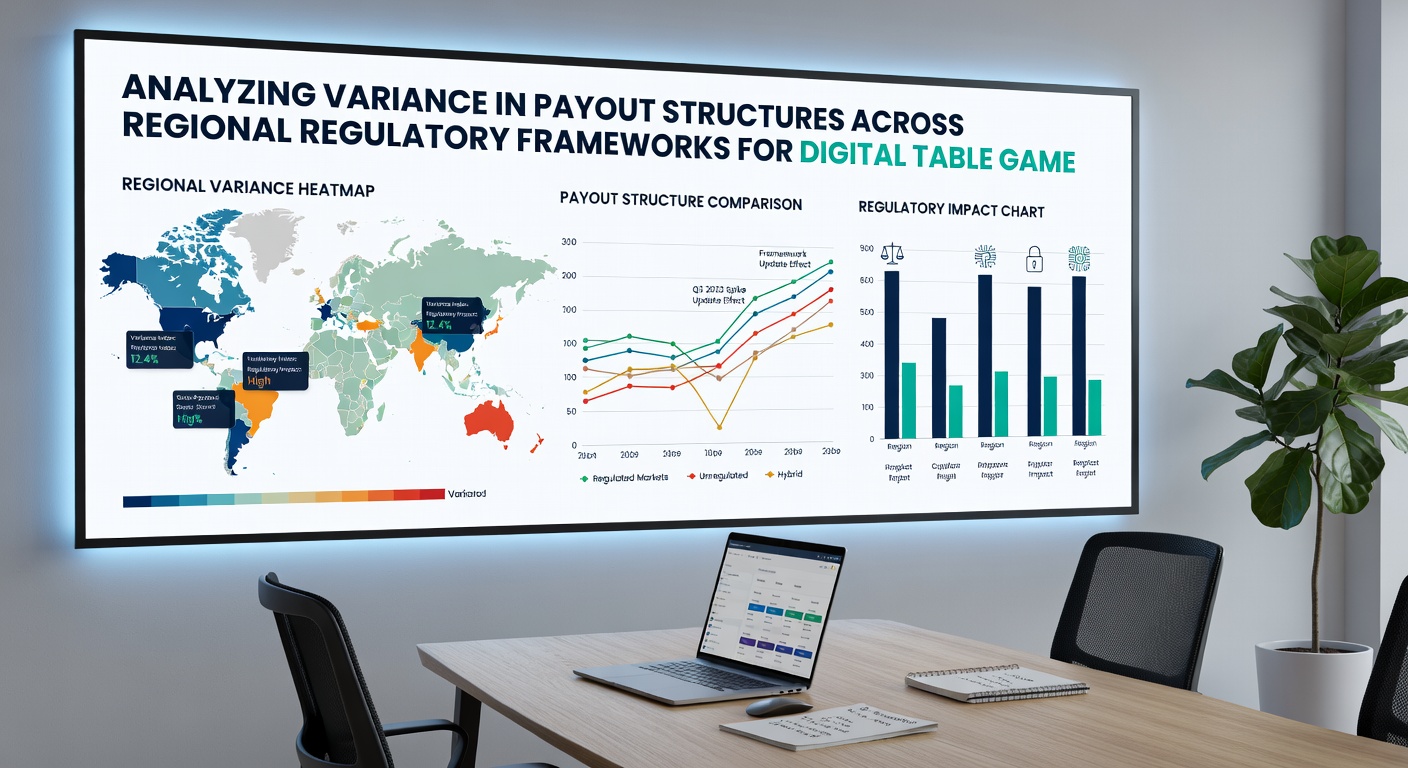
Observers tracking these markets note that May 2026 marks the scheduled implementation date for updated technical standards in several Australian states, where proposed changes would require dynamic payout reporting every 24 hours instead of monthly aggregates. Early modeling indicates the new cadence could reduce allowable variance bands by approximately 3 to 5 percentage points for certain progressive jackpot variants, though final language remains under review by state treasuries.
Industry Data and Research Findings
Industry reports compiled by the European Gaming and Betting Association track payout dispersion across more than 40 licensed operators and reveal that jurisdictions with mandatory real-time monitoring display 8 percent lower standard deviation in monthly return figures compared with those relying on quarterly submissions. A 2024 academic paper from the University of Nevada's International Gaming Institute examined 120 digital blackjack variants and found that regulatory-mandated maximum stake limits correlated with a 15 percent reduction in the frequency of extreme payout outliers, regardless of the base return-to-player percentage.
Practical Implications for Operators and Players
Operators respond to these constraints by maintaining region-specific game libraries rather than a single global build, a practice that adds development overhead but preserves compliance margins. Players who migrate across borders therefore encounter different volatility signatures even when game names and basic rules remain constant. Payment-flow restrictions and tax treatment of winnings further layer onto the mathematical variance already shaped by regulation, though these elements sit outside the core payout-structure analysis.
Conclusion
Regional regulatory frameworks continue to shape payout variance in digital table games through minimum-return rules, certification processes, audit frequency, and volatility caps. The resulting differences appear consistently in operational data across North American, European, and Asian markets, with upcoming adjustments such as those planned for May 2026 likely to widen or narrow those gaps depending on final implementation details. Tracking these shifts requires ongoing access to jurisdiction-specific compliance filings and laboratory certification summaries rather than reliance on any single global benchmark.