Court Temporarily Blocks New Rules on Blackjack-Style Games in California Cardrooms

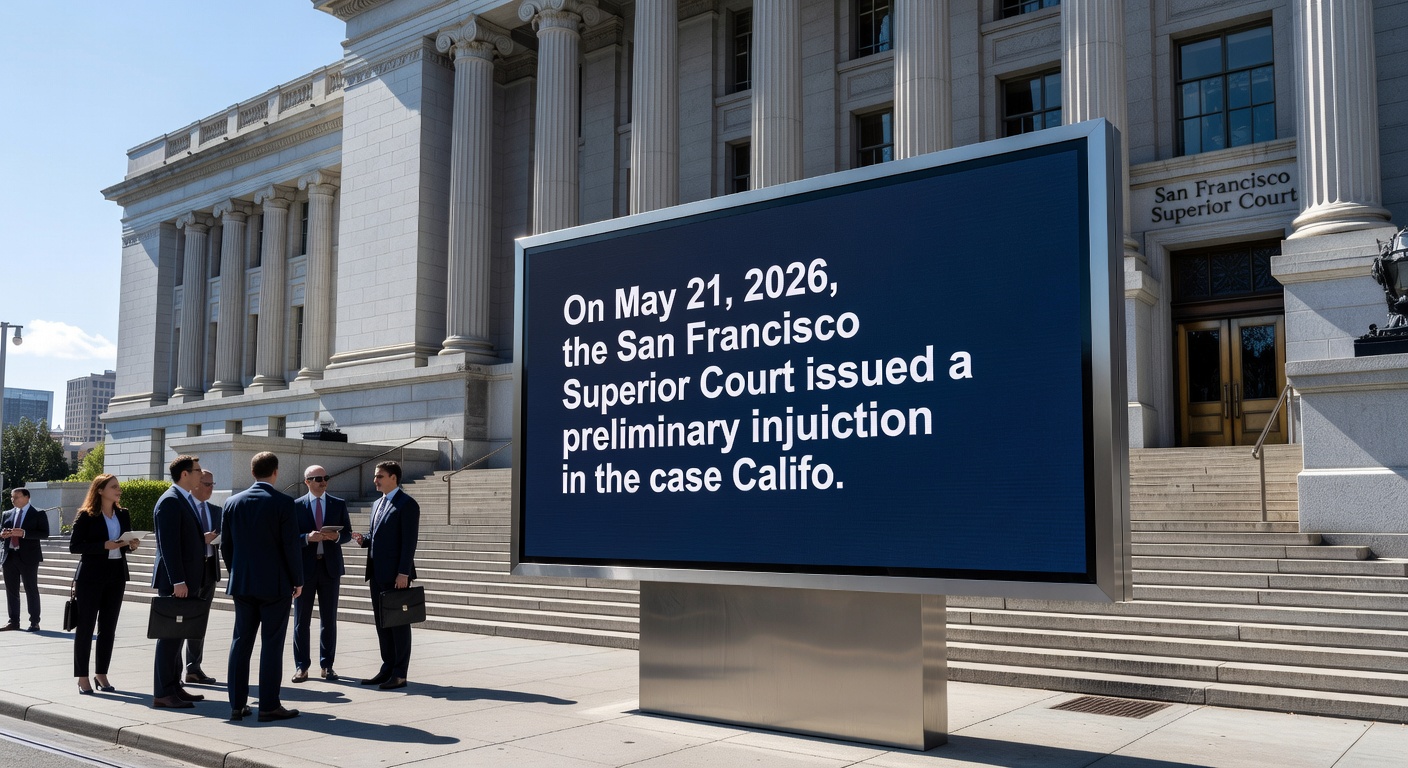
The San Francisco Superior Court issued a preliminary injunction on May 21, 2026 in the consolidated cases California Gaming Association v. Bonta that paused enforcement of specific Bureau of Gambling Control regulations for 45 days while litigation continues. Those rules, found in California Code of Regulations title 11 sections 2073 through 2077, address blackjack-style games and the rotation of player-dealer positions in non-tribal cardrooms across the state.
Background on the Regulations and Their Path to Approval
State officials approved the regulations in February 2026 with an original effective date of April 1 2026 after the Bureau of Gambling Control completed its rulemaking process. The measures aimed to clarify definitions for blackjack-style games and establish stricter rotation requirements for player-dealer positions in licensed cardrooms. Cardroom operators challenged the changes immediately after approval and filed suit claiming the rules exceeded statutory authority and would restrict traditional game offerings.
Details of the Preliminary Injunction
Judge rulings in case numbers CPF-26-519606 and CPF-26-519609 granted the temporary halt and suspended application of the new standards for the 45-day period. The injunction prevents the Bureau of Gambling Control from enforcing the updated provisions while the court reviews arguments from both the California Gaming Association and Attorney General Rob Bonta's office. Legal filings indicate the pause gives cardroom operators continued operation under prior rules during this window.
Impact on Cardroom Operations Through June 2026
Cardrooms that offer blackjack-style games now operate without teh rotation mandates and game restrictions that were set to take effect in April. The 45-day suspension extends through early July 2026 and creates a defined period where existing practices remain in place. Observers note that this timeline allows the litigation to proceed without immediate operational disruption for facilities that rely on these games for revenue.
State records show the regulations targeted player-dealer rotation intervals and game classification criteria that cardrooms argued would force modifications to long-standing table procedures. The Bureau of Gambling Control maintains that the rules align with existing statutes and protect game integrity across licensed venues.
Legal Arguments Presented in the Litigation
Plaintiffs contend the regulations introduce definitions and requirements not supported by the Gambling Control Act and would effectively limit the types of blackjack-style games available in cardrooms. The state responds that the rules clarify ambiguous language and ensure consistent application of dealer rotation standards that have been part of cardroom oversight for years. Court documents filed in May 2026 detail these competing positions and set the stage for further hearings after the injunction period concludes.
Next Steps in the Court Process
The preliminary injunction order directs the parties to continue discovery and prepare for potential trial or additional motions within the 45-day timeframe. Both sides have until mid-July 2026 to submit further briefing on whether the regulations should remain blocked pending a full hearing on the merits. The Bureau of Gambling Control retains authority to enforce all other cardroom regulations not covered by the injunction during this period.
According to the official regulatory filings the approved changes focused on specific game mechanics and dealer position rules that had generated prior disputes between regulators and operators. The ongoing case will determine whether those provisions stay in effect once the temporary order expires.
Conclusion
The May 21 2026 preliminary injunction created a defined pause in enforcement of the new blackjack-style game and player-dealer rotation regulations while the underlying lawsuit moves forward. Cardrooms continue to operate under the previous framework through early July 2026 as the San Francisco Superior Court reviews the legal challenges. The outcome of the litigation will shape how these rules apply to non-tribal cardroom operations in California going forward.